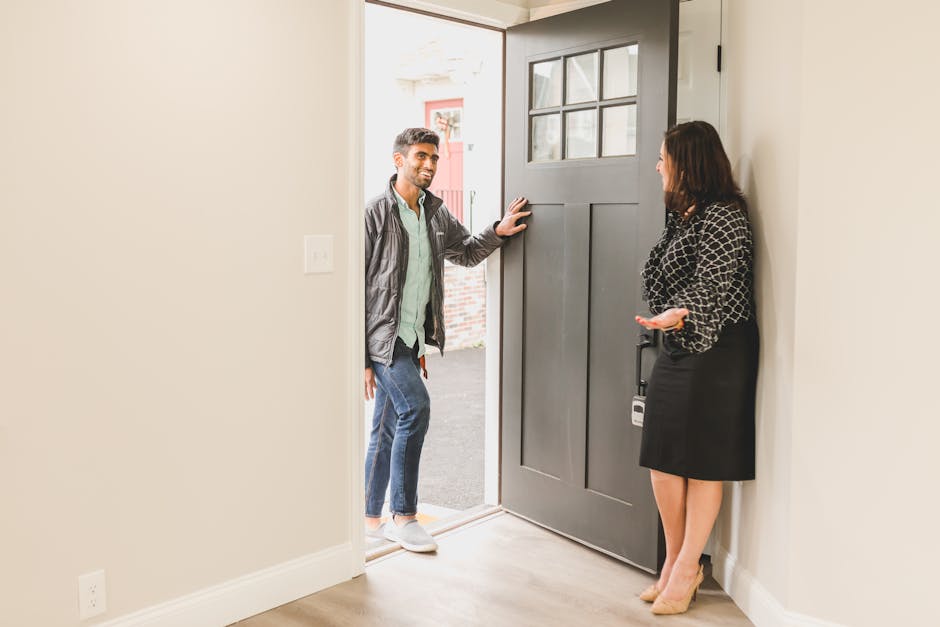
When you’re buying a home for the first time, it’s easy to get caught up in the excitement of it all and overlook some crucial steps. But trust me, you don’t want to rush into this process without doing your due diligence. I’ve seen too many first-time home buyers regret their purchasing decisions, and it’s usually because they didn’t take the time to get pre-approved for a mortgage, research the neighborhood, inspect the property, consider additional costs, and seek professional advice. Let’s break it down and explore each of these common mistakes, so you can avoid them and find your dream home.
Not Getting Pre-Approved for a Mortgage
Getting pre-approved for a mortgage is a no-brainer. It gives you an idea of how much you can afford and makes you a more attractive buyer to sellers. For example, let’s say you’re looking at a home that’s listed for $300,000. If you get pre-approved for a mortgage, you’ll know exactly how much you can borrow and what your monthly payments will be. This will give you a clear idea of whether you can afford the home and will also make you a more competitive buyer. To get pre-approved, you’ll need to provide your lender with financial documents, such as pay stubs, bank statements, and tax returns. They’ll then review your credit score, income, and debt-to-income ratio to determine how much they’re willing to lend you.
Not Researching the Neighborhood
The neighborhood you choose can have a significant impact on your quality of life and the resale value of your home. For instance, if you’re looking for a family-friendly neighborhood, you might want to consider a area with good schools, parks, and community amenities. Let’s take the example of a young family who recently moved to a new neighborhood. They did their research and found a neighborhood with excellent schools, a community pool, and plenty of parks. Now, they can’t imagine living anywhere else. On the other hand, if you don’t do your research, you might end up in a neighborhood that’s not a good fit for you. You can use online resources, such as crime maps and school ratings, to get a sense of the area. It’s also a good idea to visit the neighborhood in person, talk to locals, and get a feel for the community.
Not Inspecting the Property
A home inspection can reveal hidden defects and potential issues with the property. For example, a home inspection might reveal termite damage or a leaky roof, which could save you from costly repairs down the line. Let’s say you’re looking at a home that’s 20 years old. A home inspection might reveal that the roof needs to be replaced, which could cost you $10,000. If you don’t get a home inspection, you might not find out about this issue until it’s too late. When hiring a home inspector, make sure to research their credentials and read reviews from previous clients. A typical home inspection can cost several hundred dollars, depending on the size and complexity of the property.
Not Considering Additional Costs
When buying a home, it’s essential to consider all the additional costs that come with homeownership. These costs can add up quickly and may include expenses such as property taxes, insurance, and maintenance. For instance, let’s say you’re buying a home that’s worth $300,000. Your property taxes might be $3,000 per year, and your insurance premiums might be $1,500 per year. You’ll also need to budget for maintenance and repairs, which can cost you $1,000 to $3,000 per year. By considering these additional costs, you can avoid financial surprises and ensure that you’re making a sound investment.
Not Seeking Professional Advice
Finally, it’s essential to seek professional advice when buying a home. A good real estate agent can guide you through the process and help you avoid common mistakes. For example, a real estate agent can help you navigate the negotiation process and ensure that you get a fair price for the home. They can also provide you with valuable insights into the local market and help you find the best deals. Let’s say you’re looking for a home in a competitive market. A real estate agent can help you navigate the bidding process and ensure that you get the home you want.
In conclusion, buying a home can be a complex and overwhelming process, but it doesn’t have to be. By getting pre-approved for a mortgage, researching the neighborhood, inspecting the property, considering additional costs, and seeking professional advice, you can avoid common mistakes and find your dream home. So, take it from me: do your homework, seek professional advice, and don’t be afraid to walk away if the deal isn’t right. Your specific actionable takeaway is to start by getting pre-approved for a mortgage and researching the neighborhood before you start looking at homes. This will give you a clear idea of what you can afford and what you’re looking for in a home, and will help you avoid costly mistakes down the line.
Leave a Reply